MSDS means Material Safety Data Sheet, while SDS means Safety Data Sheet. In modern usage, SDS is the more common standardized term for a safety document describing product hazards, handling, storage, and emergency information.
This matters in shipping because freight forwarders, airlines, couriers, warehouses, or carriers may ask for SDS/MSDS when cargo may be battery-powered, liquid, powder, chemical, oily, magnetic, flammable, corrosive, toxic, or otherwise sensitive.
SDS/MSDS is especially important when importers want to ship batteries, liquids, powders, chemicals, gels, oils, or other sensitive cargo by air freight, courier, or DDP. For battery cargo, review how to ship lithium batteries from China to the USA before booking.
Quick Answer: What Does MSDS Mean in Shipping?
| Question | Short answer | Importer note |
|---|---|---|
| What does MSDS stand for? | Material Safety Data Sheet | Older term still used by many suppliers and shippers. |
| What does SDS stand for? | Safety Data Sheet | Modern standardized safety document term. |
| Why is it needed for shipping? | To help review hazards, handling, storage, emergency response, and transport information | Especially for sensitive or dangerous goods. |
| Does SDS guarantee the cargo can ship? | No | Carrier, route, packaging, labeling, and regulations still matter. |
| Which products may need it? | Batteries, liquids, powders, chemicals, cosmetics, oils, glue, aerosols, magnets, some electronic goods | Confirm before booking. |
| What should importers send? | SDS/MSDS, product photos, quantity, packaging, battery details if relevant, and shipping method | Needed for route review. |
Shipping Sensitive Cargo?
Send your SDS/MSDS, product photos, quantity, packaging, carton data, gross weight, supplier city, and destination before booking.
*Fast response. No obligation.
What Is MSDS or SDS?
MSDS stands for Material Safety Data Sheet. SDS stands for Safety Data Sheet. Many suppliers, factories, and importers still say “MSDS,” but SDS is the modern standardized term.
An SDS may include hazard identification, composition, handling, storage, exposure controls, physical and chemical properties, transport information, regulatory information, and emergency response details.
OSHA’s Hazard Communication framework uses safety data sheets as part of chemical hazard communication. For importers, the practical point is not workplace compliance theory. The point is that an SDS can help a forwarder or carrier understand whether a product needs special shipping review.
Why Freight Forwarders Ask for MSDS / SDS
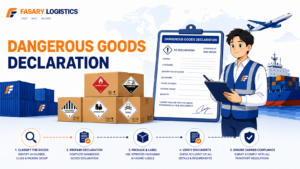
A freight forwarder or carrier may ask for SDS/MSDS to check whether cargo is ordinary cargo, sensitive cargo, restricted cargo, or dangerous goods. The document can help review product hazards, transport classification, emergency response information, packaging, storage, and handling notes.
It is commonly requested before air freight, courier shipment, DDP, warehouse receiving, or sensitive cargo acceptance. However, SDS is not automatic approval. PHMSA’s SDS interpretation states that an SDS may be useful, but PHMSA does not verify or certify transportation information provided in an SDS.
Products That Often Need SDS / MSDS Review Before Shipping
| Product type | Why it may need review | What importers should prepare |
|---|---|---|
| Lithium batteries / battery-powered products | Battery transport restrictions may apply | SDS, UN38.3 if applicable, battery specs, photos. |
| Liquids | Leakage, flammable, corrosive, or regulated risk | SDS, ingredients, packaging, volume. |
| Powders | Unknown chemical or contamination risk | SDS, composition, packaging, product use. |
| Gels / pastes / creams | May contain chemical, flammable, or restricted ingredients | SDS, ingredients, product label. |
| Cosmetics | Liquids, alcohol, aerosol, or ingredient concerns | SDS, product label, quantity. |
| Glue / adhesives | Flammable or chemical risk | SDS, packaging, quantity. |
| Paint / ink / coatings | Flammable or chemical classification risk | SDS, container size, packaging. |
| Oils / lubricants | Leakage or regulated material risk | SDS, packaging, volume. |
| Aerosols / sprays | Pressurized container risk | SDS, product photos, net content. |
| Magnets / magnetic goods | Air transport magnetic field concern | Product specs and magnetic test if needed. |
| Unknown ingredients | Carrier cannot assess risk clearly | Supplier formula or material details if available. |
SDS Sections Importers Should Check for Shipping
Importers do not need to become chemists, but they should know which SDS sections are most useful for shipping review.
| SDS section | Why it matters for shipping |
|---|---|
| Section 1: Identification | Confirms product and supplier information. |
| Section 2: Hazard identification | Shows hazard class, pictograms, and warnings. |
| Section 3: Composition / ingredients | Helps review chemical or material risk. |
| Section 4: First-aid measures | Supports emergency response context. |
| Section 5: Fire-fighting measures | Important for flammable or reactive goods. |
| Section 7: Handling and storage | Helps warehouses and carriers assess handling. |
| Section 9: Physical and chemical properties | Shows flash point, state, odor, pH, and other properties. |
| Section 14: Transport information | May show UN number, proper shipping name, class, packing group, or transport notes. |
| Section 15: Regulatory information | Helps flag regulatory context. |
Section 14 is useful, but it should not be treated as final approval if the product, packaging, quantity, or route details conflict with the SDS.
MSDS / SDS for Air Freight, Sea Freight, Courier, and DDP
| Shipping method | Why SDS may matter | What to confirm |
|---|---|---|
| Air freight | Airlines have strict dangerous goods acceptance rules | IATA/DGR status, UN number, packing, labels, carrier acceptance. |
| Courier / express | Carriers may restrict batteries, liquids, powders, aerosols, and chemicals | Product eligibility and declared details. |
| Sea freight | Some dangerous goods can move by sea with proper declaration and packing | IMDG-related review, packing, labels, documentation. |
| DDP shipping | Service scope may exclude some sensitive goods | Whether the provider accepts the product and what documents are needed. |
| Warehouse delivery | Storage and handling may depend on product risk | SDS, labels, packaging, and receiving rules. |
IATA’s Dangerous Goods Regulations are used by airlines, freight forwarders, ground handlers, and shippers to classify, mark, pack, label, and document dangerous shipments by air. For route planning, compare air freight from China to USA and DDP shipping from China to USA only after product documents are reviewed.
Does Having an MSDS Mean the Cargo Can Be Shipped?
No. SDS/MSDS is a supporting document, not automatic shipment approval.
Carrier acceptance still depends on product classification, packaging, labels, quantity, route, transport mode, and current carrier rules. Batteries may need UN38.3 or battery-specific documentation. Some products may need a dangerous goods declaration, test report, certificate, special packaging, or carrier pre-approval.
A supplier-provided SDS can also be outdated, incomplete, or inconsistent with the actual product. Some carriers may reject cargo even when the supplier provides an SDS.
What Information to Send Before Asking If Sensitive Cargo Can Ship
Before requesting a sensitive cargo review, prepare:
- product name
- product use
- SDS/MSDS file
- product photos
- ingredients or material information if available
- quantity
- packaging type
- carton count
- carton dimensions
- gross weight
- battery type, watt-hour, or lithium content if applicable
- liquid, powder, gel, paste, or aerosol details
- whether product is flammable, corrosive, magnetic, toxic, or pressurized
- supplier pickup address
- destination country and ZIP / postal code
- preferred shipping method: courier, air, sea, DDP, or split shipment
For quote preparation, use a clear shipping quote from China to USA or air freight quote from China request. If customs or delivery issues occur, SDS may help explain product nature, but it does not replace customs clearance from China to USA planning.
Need Route Feasibility Checked?
Share your SDS, product details, battery or liquid information, packaging, quantity, and preferred method so route options can be reviewed first.
*Fast response. No obligation.
Common MSDS / SDS Shipping Mistakes Importers Should Avoid
| Mistake | Why it causes problems | Better approach |
|---|---|---|
| Assuming MSDS guarantees shipment acceptance | Carrier may still reject cargo | Treat it as a review document. |
| Using an old or incomplete SDS | Product data may not match current goods | Request updated supplier documents. |
| Sending only photos without SDS | Carrier cannot assess risk clearly | Provide SDS and product details. |
| Hiding battery, liquid, powder, aerosol, or chemical details | Shipment may be delayed or refused | Declare product nature early. |
| Assuming sea, air, courier, and DDP rules are the same | Each mode has different acceptance rules | Check route and carrier separately. |
| Treating supplier “not dangerous” as final proof | Supplier statement may be incomplete | Ask for SDS and carrier review. |
| Ignoring Section 14 | Transport information may be missed | Review it with other sections. |
| Shipping before carrier review | Cargo may be stuck at warehouse or airport | Pre-check before pickup. |
| Using vague descriptions like “samples” or “accessories” | Risk review becomes weak | Use clear product names and materials. |
What Fasary Can Help With Before Shipping Sensitive Cargo
Fasary can help importers collect SDS/MSDS files from suppliers, review the basic shipping information needed for carrier pre-check, collect product photos, carton count, dimensions, gross weight, quantity, and destination details, and check whether air, sea, courier, DDP, or alternative routing may be suitable.
Fasary can also coordinate supplier pickup in China or Vietnam when the cargo is accepted, organize customs-related shipment information, and plan final delivery. Fasary’s value is not replacing chemical classification experts, official regulators, or carrier dangerous goods acceptance teams. The practical value is helping importers prepare cleaner product and shipping information early, so route feasibility can be checked before cargo reaches the warehouse or airport.
Prepare Before Pickup
We can help collect supplier documents, product details, SDS/MSDS, cargo data, shipping method options, and final delivery requirements.
*Fast response. No obligation.
FAQ
What does MSDS stand for in shipping?
MSDS stands for Material Safety Data Sheet. In shipping, many suppliers still use this older term when carriers or forwarders ask for safety information about batteries, liquids, powders, chemicals, oils, gels, or other sensitive cargo.
Is MSDS the same as SDS?
MSDS and SDS are commonly used to refer to safety documents, but SDS is the modern standardized term. Many factories and importers still say MSDS, so forwarders often accept either term when asking for product safety information.
Why does a freight forwarder ask for MSDS?
A forwarder may ask for SDS/MSDS to check hazard information, transport notes, packaging, handling, storage, and whether extra documents or carrier approval may be needed before shipping sensitive or dangerous goods.
Does every product need an MSDS for shipping?
No. Many ordinary products do not need SDS/MSDS. It is more common for batteries, liquids, powders, gels, cosmetics, chemicals, glue, oils, aerosols, magnets, or goods with unknown ingredients or transport risk.
Does MSDS guarantee that the cargo can be shipped?
No. An SDS/MSDS supports review but does not guarantee shipment acceptance. Carrier approval still depends on product classification, packaging, labels, quantity, route, shipping mode, and current carrier or dangerous goods rules.
Can Fasary help check sensitive cargo before shipping?
Yes. Fasary can help collect supplier SDS/MSDS files, product photos, cargo details, packaging information, and destination details, then compare possible air, sea, courier, DDP, or alternative shipping options before pickup.
Conclusion
MSDS/SDS helps identify product hazards, handling requirements, transport information, and emergency response details for sensitive cargo. It is especially important for batteries, liquids, powders, chemicals, cosmetics, oils, gels, aerosols, magnets, and similar products.
Before booking, importers should prepare SDS/MSDS, product photos, ingredient or material details, quantity, packaging, weight, dimensions, and destination. Fasary can help coordinate supplier pickup, sensitive cargo document pre-check, shipping method comparison, customs-related information, and final delivery from China or Vietnam to the U.S. or Canada.