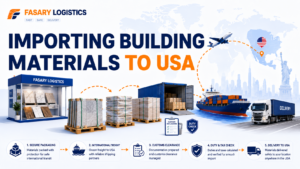
Importing building materials to the USA requires more than booking ocean freight. Importers need to confirm product material, dimensions, weight, HTS/duty risk, packaging, wood packaging, compliance documents, and final delivery conditions before shipping.
Building materials can be heavy, fragile, oversized, dense, crated, palletized, wood-based, steel/aluminum-based, or subject to product-specific duty and compliance review. These details affect customs, container loading, freight cost, damage risk, and U.S. delivery.
Before cargo leaves China or Vietnam, connect product details, customs preparation, freight method, packaging, and final delivery. For route planning, see shipping from China to USA. For entry preparation, review customs clearance from China to USA.
Quick Answer: What Should Importers Check Before Shipping Building Materials?
| Checkpoint | What to confirm | Importer note |
|---|---|---|
| Product details | Material, use, dimensions, SKU, finish, thickness | Avoid vague descriptions. |
| HTS / duty risk | Classification, origin, tariff, AD/CVD or Section 232 exposure | Confirm before shipping. |
| Packaging | Cartons, pallets, crates, wood packaging, protection | Heavy or fragile goods need planning. |
| Freight method | LCL, FCL, DDP, door-to-door, or split shipment | Depends on volume, weight, and urgency. |
| Delivery site | Warehouse, business, distributor, 3PL, job site, residential | Check unloading and appointment needs. |
| Documents | Invoice, packing list, specs, photos, certificates if needed | Details should match cargo. |
What Counts as Building Materials for Importing?
Building materials may include tiles, flooring, stone, marble, quartz, plywood, panels, cabinets, doors, windows, aluminum profiles, steel parts, hardware, plumbing fixtures, glass, insulation, fasteners, bathroom fixtures, and decorative materials.
Importers should not describe everything as “building materials” on documents. Product material, use, finish, size, thickness, coating, component breakdown, and intended use may affect HTS classification and customs review. A box of screws, a pallet of tiles, a crate of stone slabs, and a container of cabinets create different freight, packaging, duty, and delivery risks.
Documents Needed for Importing Building Materials
| Document | Why it matters | What importers should check |
|---|---|---|
| Commercial invoice | Shows seller, buyer, value, product, and origin | Use clear product names and accurate value. |
| Packing list | Shows package count, dimensions, and weight | Should match physical cargo. |
| Bill of lading or air waybill | Transport document | Check shipper, consignee, route, and cargo details. |
| Product specs and photos | Supports classification, packaging, and quote review | Include material, finish, use, dimensions, and packaging photos. |
| Origin / HTS / compliance notes | Supports duty and product review | Confirm origin, HTS if available, TSCA, ISPM 15, AD/CVD, or Section 232 risk. |
| Delivery instructions | Needed for job site or warehouse delivery | Include dock, forklift, liftgate, or appointment needs. |
HTS Code, Duty, AD/CVD, and Tariff Risk
Building materials are not one HTS code. Classification may depend on material, function, finish, dimensions, and intended use. Importers can start with the USITC Harmonized Tariff Schedule, but should confirm with a customs broker when product details are complex.
Steel and aluminum building materials may need Section 232 review depending on classification and current rules. CBP’s Section 232 steel and aluminum FAQs explain that only HTS codes defined in the relevant proclamations should be reported for additional duty.
Cabinets, flooring, stone, tile, fasteners, or metal products may have AD/CVD exposure depending on exact product and origin. CBP’s AD/CVD FAQs explain that AD/CVD duties offset dumping or subsidization. For planning, see HS code for imports from China to USA and import duty from China to USA. Do not use estimated duty as legal or tax advice.
Check Duty Risk First
Send your product material, use, dimensions, origin, cargo value, HTS code if available, and supplier details before shipping.
*Fast response. No obligation.
Wood Packaging, Plywood, Panels, and TSCA Title VI Risk
Building materials are often packed in wood crates, pallets, skids, or wood blocking. Solid wood packaging material entering or transiting the U.S. generally needs ISPM 15 treatment and marking. APHIS states that wood packaging material must be pest-free, debarked, treated, and marked with an ISPM 15 logo, and noncompliant WPM will not be allowed to enter the country in its guidance on importing ISPM 15-compliant wood packaging material.
Composite wood products can create another risk. EPA’s Formaldehyde Emission Standards for Composite Wood Products explain that hardwood plywood, medium-density fiberboard, particleboard, and finished goods containing them must be TSCA Title VI compliant when imported into the U.S.
This does not mean every wood-related product has the same requirement. Importers should confirm product-specific rules before shipping.
Packaging and Damage Risk for Building Materials
Tiles and stone often need strong crates, corner protection, and shock control. Glass, mirrors, and panels need upright protection. Cabinets and doors need surface protection and moisture control. Metal profiles and hardware need bundle strength and corrosion prevention where needed.
Heavy materials need pallets or crates that match forklift, container, and warehouse handling. Packaging affects damage risk, CBM, gross weight, loading, and final delivery. For pallet planning, review standard pallet dimensions. For higher-value or fragile cargo, consider cargo insurance, but insurance does not replace proper packaging.
Shipping Fragile Materials?
Share product photos, packaging photos, crate or pallet data, gross weight, CBM, and unloading requirements before booking.
*Fast response. No obligation.
Choosing Freight Method for Building Materials
| Method | Best for | What to check |
|---|---|---|
| LCL | Smaller palletized or crated shipments | CBM, CFS handling, crate strength. |
| FCL | Large orders, heavy cargo, multiple pallets/crates | Container size, weight, loading plan. |
| DDP / door-to-door | Importers wanting coordinated delivery | Product eligibility, duty/tax scope, exclusions. |
| Air freight | Urgent samples or lightweight items | Chargeable weight, restrictions, cost. |
| Oversized / special handling | Long, heavy, fragile, or non-stackable materials | Equipment, route, unloading. |
| Final delivery truck | Warehouse, job site, business, 3PL | Forklift, dock, liftgate, appointment. |
Most building materials move by sea because they are heavy or bulky. Compare sea shipping from China to USA, LCL shipping rates from China to USA, and DDP shipping from China to USA based on actual cargo data and quote scope.
Container Loading and Final Delivery Checks
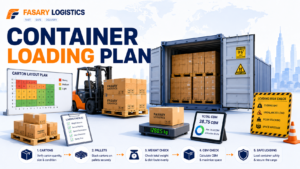
Building materials often reach weight limits before container volume is fully used. Heavy cargo should be planned by gross weight and weight distribution, not CBM alone. Palletized cargo may improve unloading but reduce container space efficiency.
Check sea freight container sizes before choosing 20GP, 40GP, or 40HQ. Job-site, warehouse, distributor, and residential delivery have different requirements. Do not assume the driver will unload heavy material without a forklift, dock, liftgate, or arranged unloading support.
Plan Heavy Material Delivery
We can help check weight, CBM, container choice, forklift or dock needs, liftgate, appointment, and delivery address type.
*Fast response. No obligation.
What Information to Send for a Building Materials Shipping Quote
Before requesting a quote, prepare supplier pickup address, cargo ready date, product name, material, use, dimensions, thickness, finish, HS code if available, origin, cargo value, carton/crate/pallet count, package dimensions, gross weight, total CBM, product and packaging photos, wood packaging status, regulated-material notes, destination ZIP code, address type, unloading needs, and preferred method.
Use a detailed shipping quote from China to USA request instead of a vague product photo.
Common Mistakes When Importing Building Materials to the USA
| Mistake | Why it causes problems | Better approach |
|---|---|---|
| Using “building materials” as the full description | Classification and customs review become weak | Use exact product, material, and use. |
| Guessing HTS code or duty | Duty planning may be wrong | Confirm classification early. |
| Ignoring AD/CVD or Section 232 exposure | Unexpected duty risk may appear | Review product and origin. |
| Ignoring ISPM 15 wood packaging marks | WPM may be noncompliant | Ask for mark photos. |
| Shipping composite wood without TSCA review | EPA requirements may apply | Check product-specific rules. |
| Weak packaging for heavy or fragile materials | Damage risk increases | Use proper crates, pallets, and protection. |
| Planning container loading by CBM only | Weight and handling risks are missed | Check weight distribution. |
| Not confirming unloading needs | Delivery may fail | Confirm forklift, dock, liftgate, and appointment. |
| Comparing quotes without full scope | Prices become misleading | Compare duty, delivery, and warehouse scope. |
What Fasary Can Help With Before Shipping Building Materials
Fasary can help importers collect product and cargo details from suppliers, coordinate pickup in China or Vietnam, check carton, pallet, crate, CBM, and gross weight data, compare LCL, FCL, DDP, and door-to-door options, organize customs-related shipment information for broker review, clarify quote scope before booking, and coordinate delivery to U.S. warehouses, distributors, 3PLs, business addresses, or job sites where applicable.
Fasary’s value is not replacing customs brokers, EPA, APHIS, product compliance specialists, or building-code professionals. The practical value is helping importers connect supplier information, packaging, freight method, quote scope, customs-related preparation, and delivery planning before building materials leave China or Vietnam.
Ship Building Materials Safely
We can help collect cargo data, compare LCL/FCL/DDP options, organize customs-related information, and plan U.S. warehouse or job-site delivery.
*Fast response. No obligation.
FAQ
Can I import building materials to the USA?
Yes, many building materials can be imported, but requirements depend on product material, HTS classification, origin, duty/tariff exposure, packaging, compliance risk, and delivery site. Confirm details before shipping.
What documents are needed to import building materials?
Common documents include commercial invoice, packing list, bill of lading or air waybill, product specifications, photos, origin information, HTS code if available, and product-specific documents for wood packaging, composite wood, or regulated materials.
Do building materials have special duties or tariffs?
Some may. Duty, AD/CVD, Section 232, or other tariff exposure depends on product, material, HTS code, origin, and current rules. There is no single duty rate for all building materials.
Does wood packaging for building materials need ISPM 15?
Solid wood crates, pallets, skids, or dunnage used for imported building materials generally need ISPM 15 treatment and marking. Ask suppliers for clear photos of marks before shipping.
What is the best shipping method for building materials from China?
It depends on size, weight, urgency, packaging, product risk, and delivery site. Sea freight is common for heavy or bulky cargo, while LCL, FCL, DDP, or split shipment may fit different scenarios.
Conclusion
Importing building materials to the USA requires product-specific document, HTS, duty, packaging, wood packaging, freight, and final delivery checks. Importers should not treat all construction materials as one simple cargo type.
Before shipping, confirm material, use, dimensions, gross weight, CBM, packaging, ISPM 15, TSCA/AD-CVD/Section 232 risk where relevant, destination address type, and unloading needs. Fasary can help coordinate supplier pickup, freight quotes, shipping method selection, customs-related information, and U.S. delivery planning.