A 40 ft container shipping cost from China to USA is not just the ocean rate. A 40HQ typically runs only $100–$300 more than a 40GP on the same lane (from ~$1,850–$1,900 to the West Coast) but adds ~9 CBM of usable space (76 vs 67 CBM), which can cut your per-unit cost for bulky cargo. In our experience, the two costliest 40ft mistakes are choosing a 40GP to save a small amount and losing valuable cube, and routing to the West Coast purely for a cheaper ocean rate when the warehouse is in New Jersey or Georgia. Below is how to choose 40GP vs 40HQ, West vs East Coast, and the real total cost beyond the ocean rate.
This article focuses only on 40 ft container shipping from China to USA. If you need a full comparison of sea freight, air freight, express, DDP, customs, transit time, and total shipping methods, see the main shipping from China to USA guide.
Quick Answer: 40GP vs 40HQ for China to USA Shipping
| If Your Cargo Is… | Usually Compare First | Why |
|---|---|---|
| Bulky but lightweight | 40HQ | Extra vertical space lowers unit cost |
| Furniture or home goods | 40HQ | More usable loading volume |
| Apparel or cartons | 40HQ | Better cubic efficiency |
| eCommerce replenishment | 40HQ | More units per container |
| Dense industrial cargo | 40GP | Extra height may be wasted |
| Heavy machinery or metal parts | 40GP | Weight limit may be reached before volume |
| Mixed general cargo | 40HQ | More loading flexibility |
The simple rule is: 40HQ is usually better for volume. 40GP is usually enough for dense cargo.
Not Sure Whether to Choose 40GP or 40HQ?
Send us your cargo type, estimated CBM, weight, origin city, and destination ZIP code. We’ll help you compare 40GP, 40HQ, and route options based on real landed cost.
*Response within 2 hours. No obligation.
What Is a 40 ft Container?
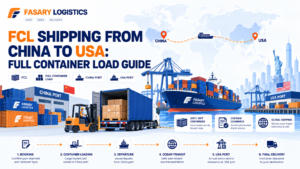
A 40 ft container is a standard full container used in ocean freight. It is commonly used for larger shipments from China to the USA when LCL is no longer efficient and a full container gives better control.
| Container Type | Meaning | Best For |
|---|---|---|
| 40GP | Standard 40 ft general-purpose container | General cargo, denser goods, mixed commercial cargo |
| 40HQ | 40 ft high cube container | Bulky, lightweight, high-volume goods |
The key difference is height and usable volume. A 40HQ gives more vertical space than a 40GP, which usually means more cartons or pallets can fit inside. For a full container dimension comparison, see our guide to 20GP, 40GP, and 40HQ container sizes.
40GP vs 40HQ: Which One Should You Choose?
The choice between 40GP and 40HQ depends on cargo density. A 40HQ usually costs only slightly more than a 40GP on the same ocean route, but it gives more usable loading volume. For many commercial shipments, that extra space can lower the shipping cost per unit.
| Factor | 40GP | 40HQ |
|---|---|---|
| Container height | Standard height | Higher ceiling |
| Usable volume | Lower than 40HQ | Higher than 40GP |
| Best cargo type | Dense or mixed cargo | Bulky, lightweight cargo |
| Unit cost efficiency | Good for standard cargo | Usually better for high-volume retail goods |
| Main risk | Less space | Extra height may be wasted for dense cargo |
When 40HQ Is Better
40HQ is usually the better choice when your cargo is bulky, lightweight, or carton-heavy. Good examples include furniture, home goods, apparel, shoes, plastic products, large cartons, plush toys, eCommerce inventory, Amazon FBA replenishment, and low-density retail products. For these cargo types, the extra height of a 40HQ can help you load more units into one container. Even if the 40HQ ocean rate is slightly higher, the cost per unit may become lower.
When 40GP Is Better
40GP may be enough when your cargo is dense and you do not need the extra vertical space. Good examples include metal parts, machinery, hardware, industrial components, dense building materials, and heavy mixed cargo. If your cargo reaches the weight limit before filling the space, a 40HQ may not give you much benefit. If your cargo is very heavy and does not need 40 ft volume, you may also need to compare it with a 20 ft container shipping cost from China to USA.
40 ft Container Shipping Cost from China to USA: What Affects the Rate?
A 40 ft container rate from China to USA is affected by several container-specific factors. This article does not cover air freight, express, or DDP cost comparison. For full shipping cost comparison, use the main China to USA shipping guide.
| Route | 40GP Reference | 40HQ Reference |
|---|---|---|
| China → West Coast (LA / Long Beach) | ~$1,750–$1,900 | ~$1,850–$2,000 |
| China → East Coast (NY / NJ) | ~$2,600–$2,900 | ~$2,700–$3,000 |
These are working reference ranges, not fixed quotes. Live rates change with carrier space, seasonality, route, fuel, and port conditions. The most important point is this: a low port-to-port ocean rate is not the same as the real delivered container cost.
| Cost Factor | Why It Matters | What to Check |
|---|---|---|
| Origin port in China | Different ports have different carrier space and sailing options | Shenzhen, Ningbo, Shanghai, Qingdao, Xiamen, Guangzhou |
| US destination coast | West Coast and East Coast rates are not the same | Final port and delivery ZIP code |
| 40GP vs 40HQ | 40HQ usually costs slightly more but gives more space | Cargo volume and density |
| Season | Peak season can increase container rates | Booking timing |
| Final delivery scope | Port-to-port and door-to-door are different | Customs, drayage, chassis, and delivery |
| Cargo type | Heavy or special cargo may need extra planning | Weight, loading, and unloading requirements |
West Coast vs East Coast: Why the Same 40 ft Container Can Cost Differently
For China to USA container shipping, West Coast routes are usually cheaper and faster than East Coast routes. This is mainly because the ocean distance is shorter and vessel circulation is more efficient. A common mistake is choosing Los Angeles only because the ocean rate is cheaper. If your warehouse is in New Jersey, Pennsylvania, Ohio, Georgia, or Florida, the total cost may be better through an East Coast or Gulf Coast route. For route planning, see shipping routes from China to USA map and sea freight transit time from China to USA.
| Routing Direction | Usually Best For | Main Advantage | Main Watchout |
|---|---|---|---|
| US West Coast | Western US delivery, faster Pacific crossing | Shorter ocean transit and often lower base rate | Not always best for East Coast warehouses |
| US East Coast | Eastern US delivery | May reduce inland trucking for Eastern destinations | Longer ocean transit and higher base rate |
| Gulf Coast | Texas and Southern markets | Useful for certain Southern destinations | Fewer direct sailing options |
| Inland rail / IPI | Midwest delivery | Can deliver closer to inland hubs | Rail cost and timing must be checked |
What the 40 ft Ocean Rate Does Not Include
A 40 ft ocean rate is often only a port-to-port number. It does not automatically include everything required to move the container from the factory to your US warehouse. A port-to-port 40GP or 40HQ rate may exclude: factory pickup, export customs handling, origin terminal charges, US customs clearance, import duties and taxes, destination terminal handling, drayage, chassis, final delivery, warehouse appointment, waiting time, and demurrage and detention. This is why importers should compare the complete container movement, not only the ocean freight line.
Not Sure Whether 40GP or 40HQ Is Better for Your Cargo?
Send us your cargo type, carton size, total CBM, weight, supplier city, and US destination ZIP code. We’ll help you check whether 40GP or 40HQ gives better container efficiency.
*Response within 2 hours. No obligation.
40 ft Container vs LCL: When Full Container Makes Sense
| Cargo Volume | Usually Better Option | Why |
|---|---|---|
| Under 5 CBM | LCL | Full container space is wasted |
| 5–14 CBM | LCL or 20GP comparison | Depends on destination fees |
| 15–25 CBM | 20GP or 40GP comparison | Cargo density matters |
| 30+ CBM | 40GP or 40HQ | Full 40 ft container becomes practical |
| 55+ CBM bulky cargo | 40HQ | Better volume efficiency |
LCL may look cheaper when you only compare the base freight rate. But as volume grows, LCL destination CFS charges, handling, and delays can make FCL more attractive. For smaller cargo, see LCL shipping rates from China to USA.
Common Mistakes When Comparing 40 ft Container Shipping Cost
| Mistake | What Goes Wrong | Better Approach |
|---|---|---|
| Choosing 40GP only to save a small amount | You may lose valuable loading space | Choose 40HQ for bulky or carton-heavy cargo |
| Using 40HQ for very dense cargo | Extra height may be wasted | Use 40GP or compare 20GP if weight is the limit |
| Comparing only port-to-port ocean rates | Destination costs change the real total | Compare full delivery scope |
| Choosing West Coast only because it is cheaper | Inland delivery may become expensive | Route based on final ZIP code |
| Ignoring demurrage and detention | Slow pickup or unloading creates extra charges | Confirm free time and warehouse readiness |
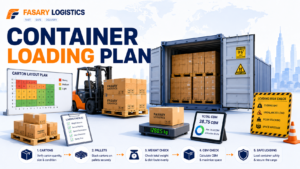
| Not checking container weight limits | Overweight cargo creates compliance and delivery issues | Confirm gross weight and loading plan |
In our experience, the most expensive 40ft decision is treating the ocean rate as the whole cost. We regularly see importers book a “cheap” West Coast 40HQ, then absorb $800–$1,500 of drayage, chassis, and inland trucking to reach an East Coast warehouse—erasing the ocean savings. Always price the full door-to-door movement against the final ZIP code before choosing a coast.
Want a Transparent 40 ft Container Quote Before You Book?
Send us your cargo type, estimated volume, origin city, destination ZIP code, and timeline. We’ll show you whether 40GP or 40HQ gives the better total shipping result.
*Response within 2 hours. No obligation.
FAQ
How much does it cost to ship a 40 ft container from China to USA?
The cost depends on origin port, destination coast, season, vessel space, cargo profile, and final delivery scope. A West Coast port-to-port rate is usually lower than an East Coast or inland route, but the final decision should be based on the total container movement, not only the ocean rate.
What is the difference between 40GP and 40HQ?
40GP is a standard 40 ft container. 40HQ is a high cube 40 ft container with extra height and more usable volume. 40HQ is usually better for bulky and lightweight cargo.
Is 40HQ worth it compared with 40GP?
For most bulky or carton-heavy commercial cargo, yes. A 40HQ usually gives more usable volume for a relatively small additional container cost, which can reduce the shipping cost per unit.
Is shipping to the US West Coast cheaper than the East Coast?
Usually the West Coast has a lower base ocean rate and shorter ocean transit from China. But if the final destination is on the East Coast, the total cost may be better through an East Coast port because inland delivery is shorter.
Does a 40 ft ocean rate include final delivery?
Not always. Many ocean rates are port-to-port only. You need to confirm whether customs clearance, drayage, chassis, duties, delivery appointments, and final delivery are included.
Is 40HQ good for Amazon FBA?
Yes, 40HQ is often a good choice for high-volume Amazon FBA cargo, especially if the goods are carton-heavy or palletized. But Amazon delivery requires strict labeling, palletization, appointment booking, and receiving compliance.
Conclusion
A 40 ft container is usually the right choice when your cargo volume is large enough that LCL or 20GP no longer gives the best efficiency. The key decision is whether to use 40GP or 40HQ. For most bulky, lightweight, carton-heavy, retail, eCommerce, and Amazon cargo, 40HQ is often the better option because it provides more usable space and can reduce the shipping cost per unit. For dense industrial cargo, machinery, or heavy goods, 40GP may be enough.
When comparing 40 ft container shipping cost from China to USA, do not judge by the base ocean rate alone. Compare cargo density, CBM, container type, destination coast, final ZIP code, delivery scope, and total landed cost before booking. If you are unsure, send Fasary Logistics your cargo volume, gross weight, product type, supplier city, and destination ZIP code, and we’ll help compare the quote scope before you book.