Importing from China to the USA means more than buying products. To import from China safely, importers need supplier documents, product details, customs information, shipping method, landed cost, and delivery scope checked before cargo leaves China.
This matters because missing invoice details, unclear HS code, wrong declared value, restricted goods, weak quote scope, or unclear importer responsibility can cause customs delays, extra costs, or delivery problems.
For the full freight process, see shipping from China to USA. For customs release planning, review customs clearance from China to USA. This checklist focuses on what importers should prepare before departure.
Quick Answer: How Do You Import Goods from China to the USA?
| Step | What to check | Importer note |
|---|---|---|
| 1. Confirm product and supplier details | Product name, material, use, value, origin | Needed for customs and quote accuracy. |
| 2. Prepare shipping documents | Commercial invoice, packing list, B/L or AWB | Documents should match cargo details. |
| 3. Check customs responsibility | IOR, customs broker, bond, HS code | Do this before departure. |
| 4. Estimate duty and landed cost | Duty, tariff, freight, broker, storage, delivery | Do not compare only freight rate. |
| 5. Choose shipping method | Sea, air, express, DDP, FBA delivery | Match urgency, size, and destination. |
| 6. Confirm final delivery | Warehouse, business, Amazon FBA, 3PL, residential | Delivery type affects quote scope. |
Importing from China?
Send your product details, supplier address, invoice, packing list, carton data, cargo value, destination, and delivery requirements before shipping.
*Fast response. No obligation.
What Does Importing from China to the USA Really Involve?
Buying from China is only the first stage. Importers also need to connect supplier information, documents, U.S. customs preparation, freight planning, duty and tariff review, and final delivery.
The supplier, freight forwarder, customs broker, and importer do not have the same role. The supplier prepares goods and commercial documents. The forwarder coordinates transportation. The customs broker may support entry filing. The importer is responsible for accurate import information.
Step 1: Confirm Product and Supplier Information
Before booking freight, collect the supplier name and address, manufacturer if different from the seller, product name, material, intended use, photos or spec sheet, cargo value, country of origin, carton count, dimensions, gross weight, and cargo ready date.
Also check whether the goods are branded, battery-powered, liquid, powder, magnetic, food-contact, textile, wood, machinery, or regulated. Weak product descriptions can affect HS code review, duty planning, carrier acceptance, and customs questions.
Step 2: Prepare the Main Import Documents
| Document | What it is used for | What importers should check |
|---|---|---|
| Commercial invoice | Customs value and product details | Seller, buyer, product, value, currency, origin. |
| Packing list | Carton and weight details | Carton count, dimensions, gross weight, marks. |
| Bill of lading or air waybill | Transport document | Shipper, consignee, notify party, route. |
| Arrival notice | Destination release and charges | Fees, location, availability, consignee. |
| ISF information | Ocean freight security filing | Required data before sailing when applicable. |
| Product compliance documents | Regulated product review | Certificates, test reports, labels, MSDS if needed. |
| FBA / warehouse instructions | Final receiving | Labels, appointment, address, delivery rules. |
Document details should match the real cargo. A vague invoice such as “parts” or “accessories” can create avoidable questions.
Step 3: Check HS Code, Duty, Tariff, and Import Taxes
HS code affects duty and tariff review. Importers can research classifications using the USITC Harmonized Tariff Schedule, but product classification should be confirmed carefully before shipment.
China-origin products may have regular duty and may also be affected by additional tariffs such as Section 301 depending on product classification. The official USTR China Section 301 Tariff Actions page is a useful reference point, but importers should not guess duty rates.
Duty, tariff, MPF, HMF, broker fees, storage, and delivery are different cost categories. For topic-specific planning, see HS code for imports from China to USA and import duty from China to USA.
Step 4: Confirm Importer of Record, Customs Broker, and Bond
The importer of record is responsible for accurate product information, value, country of origin, classification, and compliance details. The supplier or forwarder is not automatically the importer of record. For a focused explanation, see what is an importer of record.
A customs broker may help with entry filing and customs communication. A customs bond may be required for formal U.S. imports. CBP’s Basic Importing and Exporting resources and Reasonable Care guidance are useful references for importer responsibility. For bond planning, see what is a customs bond.
Step 5: Choose the Right Shipping Method from China
| Shipping method | Best for | What to check |
|---|---|---|
| Express | Small urgent parcels | Cost per kg, restrictions, declared value. |
| Air freight | Urgent commercial cargo | Chargeable weight, airport/door delivery, customs scope. |
| Sea freight LCL | Smaller ocean shipments | CBM, CFS charges, delivery scope. |
| Sea freight FCL | Larger container loads | Container size, route, appointment, unloading. |
| DDP / door-to-door | Importers wanting one coordinated quote | Scope, exclusions, duty/tax responsibility, product restrictions. |
| Amazon FBA shipping | Sellers sending inventory to Amazon | Labels, carton limits, appointment, final delivery. |
Do not choose a method only by the lowest freight rate. A 60 kg urgent order, a 5 CBM replenishment shipment, and a full container need different planning. If using DDP, review DDP shipping from China to USA and confirm inclusions in writing.
Step 6: Estimate Landed Cost Before You Ship
Landed cost is not just freight. It may include product cost, supplier inland pickup, origin handling, freight, insurance if used, customs broker fee, duty and tariff, MPF/HMF where applicable, exam or hold costs if they happen, warehouse or CFS fees, final delivery, and Amazon or 3PL receiving costs.
| Cost item | Why it matters | What importers should confirm |
|---|---|---|
| Product cost | Base value for buying decision | Invoice value and currency. |
| Freight cost | Main transport charge | Method, route, pickup, delivery scope. |
| Duty / tariff | Customs cost category | HS code and tariff treatment. |
| Broker / customs service | Entry support cost | Included or separate. |
| Storage / exam / CFS | May occur after arrival | Who pays if it happens. |
| Final delivery | Often changes total cost | Address type and appointment needs. |
For a clear quote format, use a shipping quote from China to USA that separates freight, customs-related charges, duty/tax responsibility, and final delivery scope.
Need a Clear Landed Cost?
Share your cargo data, product type, declared value, shipping method, and final delivery address so freight and cost scope can be reviewed clearly.
*Fast response. No obligation.
Step 7: Check Restricted or High-Risk Goods Before Booking
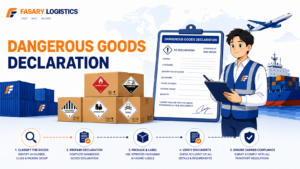
Some products need extra checking before shipping, such as batteries, liquids, powders, magnets, cosmetics, food-contact products, toys, medical items, textiles, wood packaging, branded or IP-sensitive goods, and anti-dumping or countervailing duty risk products.
These products may need MSDS, test reports, labels, certificates, customs broker review, or carrier approval depending on product and route. Do not ship restricted goods based only on the supplier saying “we ship this often.”
What Fasary Can Help With Before Importing from China
Fasary can help importers collect supplier cargo details, check carton count, dimensions, gross weight, CBM, and cargo ready date, coordinate pickup in China, compare sea freight, air freight, DDP, and split-shipment options, organize customs-related shipment information, clarify quote scope before booking, and coordinate final delivery to U.S. business addresses, warehouses, 3PLs, or Amazon FBA where applicable.
Fasary’s advantage is connecting supplier information, shipping method, customs preparation, landed cost thinking, and final delivery planning before the cargo leaves China. Fasary does not guarantee customs clearance, duty/tax amounts, cheapest cost, or unrestricted shipment acceptance.
Plan Before Cargo Leaves China
We can help organize supplier pickup, freight options, customs-related information, quote scope, and final U.S. delivery before shipment starts.
*Fast response. No obligation.
Common Mistakes When Importing from China to the USA
| Mistake | Why it causes problems | Better approach |
|---|---|---|
| Choosing supplier shipping without checking scope | Delivery, customs, or charges may be unclear | Compare written quote scope. |
| Using vague product names | Customs questions may increase | Use clear product descriptions. |
| Guessing HS code or duty | Duty and tariff planning may be wrong | Review classification before shipping. |
| Ignoring Section 301 tariff risk | Landed cost may change | Check tariff exposure. |
| Not confirming importer of record | Responsibility becomes unclear | Identify IOR before departure. |
| Assuming DDP includes everything | Scope varies by provider | Confirm exclusions in writing. |
| Comparing quotes with different scopes | Prices look misleading | Compare same service level. |
| Ignoring final delivery rules | Warehouse or FBA delivery may fail | Check appointment and receiving rules. |
| Shipping restricted goods without review | Carrier or customs issues may occur | Check documents and approvals first. |
FAQ
How do I import goods from China to the USA?
Start by confirming supplier details, product information, documents, HS code, importer responsibility, duty/tariff risk, shipping method, and final delivery address. Do this before cargo leaves China, not after the shipment is already moving.
What documents are needed to import from China?
Most commercial shipments need a commercial invoice, packing list, and transport document such as a bill of lading or air waybill. Some shipments may also need ISF information, product certificates, MSDS, labels, or warehouse delivery instructions.
Do I need a customs broker to import from China?
Not every shipment requires the same setup, but many U.S. importers use a customs broker for formal entries, ocean freight, higher-value cargo, regulated goods, or first-time imports. Confirm broker and bond requirements before departure.
How much duty do I pay when importing from China to the USA?
Duty depends on HS code, product classification, country of origin, declared value, and applicable tariffs. Do not rely on a generic percentage. Check official tariff sources and confirm with a customs broker where needed.
What is the best shipping method when importing from China?
The best method depends on shipment size, urgency, product type, value, destination, and delivery requirements. Express fits small urgent parcels, air fits urgent commercial cargo, and sea freight fits larger planned inventory.
Can a small business import from China?
Yes, small businesses can import from China, but they should prepare product details, documents, customs responsibility, duty/tariff planning, freight quote scope, and final delivery before placing a larger supplier order.
Conclusion
Importing from China to the USA requires supplier details, documents, customs preparation, freight planning, landed cost review, and delivery scope confirmation. Buying the product is only one part of the process.
Before cargo departs, check product details, invoice, packing list, HS code, duty/tariff risk, importer of record, shipping method, quote scope, and final delivery. Fasary can help coordinate pickup in China, freight quotes, shipping method selection, customs-related information, and final delivery to the U.S.